
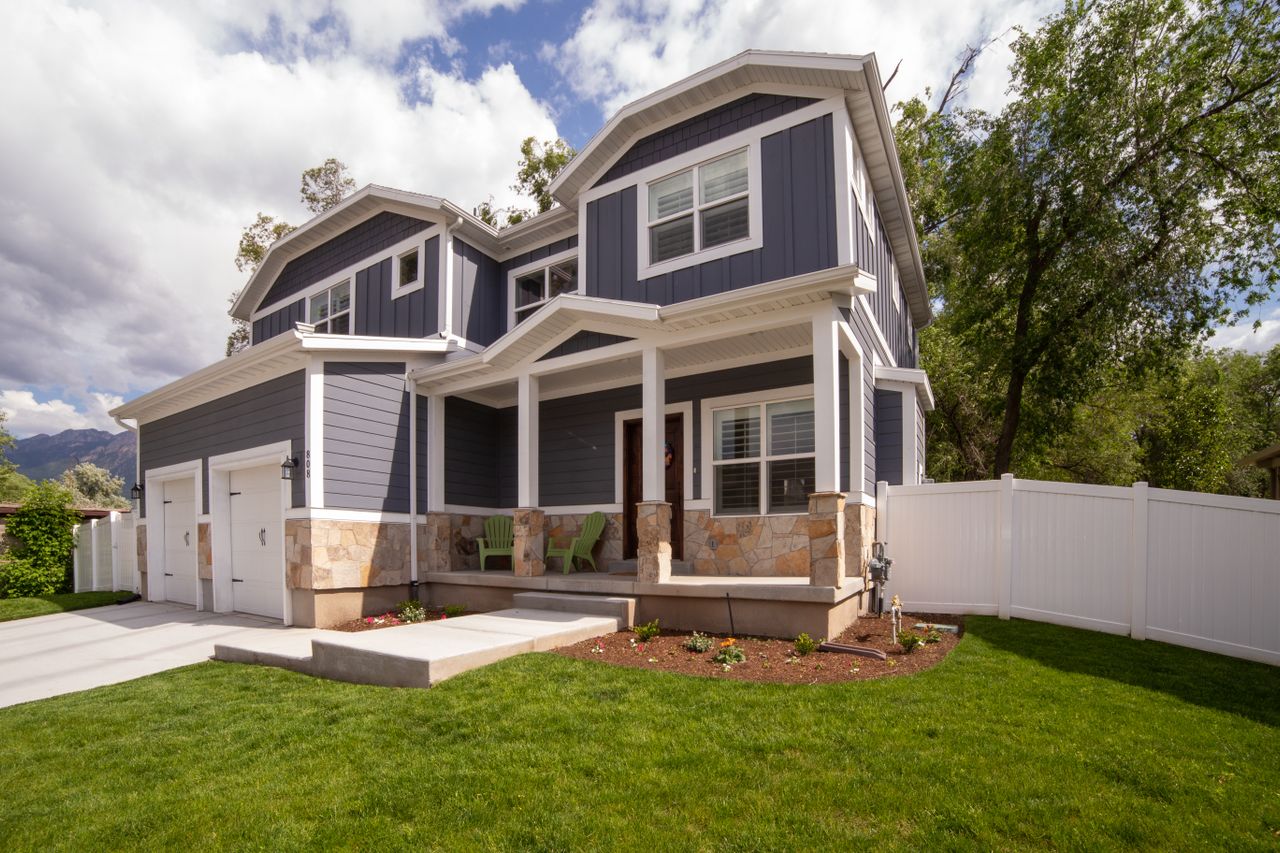
It seems that many property owners think that spring and fall seasons are the only times when painting could be done without risking anything.
This common belief may lead to fully booked schedules and delays. So, many people ask, can you paint outside in winter Virginia?
The answer is yes, but is winter actually a good time to paint an exterior in Virginia? Definitely. Booking exterior house painting in winter project can be the smartest decision you make all year.
Our local weather conditions provide unique benefits that warmer months simply cannot match.
This guide will explain why exterior house painting Virginia experts quietly prefer the cooler months.
We will cover the undeniable weather advantages, the honest trade-offs, and how different seasons compare.
Why Everyone Says Spring and Autumn Are Best
It’s quite obvious why many people prefer the conventional painting seasons. Spring and autumn provide excellent weather conditions where it is neither too cold nor too warm.
A lot of local contractors suggest waiting for these seasons before painting their homes since the climate is relatively predictable.
However, this advice completely overlooks one massive advantage. Winter removes the biggest threat to fresh paint altogether.
We are talking about the complete absence of our notorious storm risk.
Although spring is considered the best time to paint house exterior surfaces, the unpredictability of the downpour of rain says otherwise.
If you want the absolute best season for exterior painting in Virginia has to offer, you must ignore the conventional belief.
The cooler months deliver consistency in ways that spring cannot guarantee.
What Virginia’s Painting Contractors Usually Recommend
The standard industry advice always points toward the shoulder seasons.
Homeowners scramble to book their projects before the intense summer heat arrives.
This rush creates a bottleneck for anyone looking for the best time to paint your house Virginia tradespeople have available.
Sticking to this traditional advice means you compete with everyone else for the same narrow booking windows.
Meanwhile, the cooler months remain highly underrated and widely misunderstood by the general public.
Virginia Winter, By the Numbers: Why It Actually Works
The secret to a flawless finish lies in the climate data. Our Virginia dry season brings incredibly stable conditions to our region.
This is explained by the following facts:
- The huge decrease in moisture in the atmosphere speeds up the drying process.
- The absence of rain makes it possible to work without interruptions.
- Daytime temperatures remain perfectly mild for applying fresh coats.
This combination creates the ultimate environment for an exterior painting Virginia winter project.
The Virginia exterior painting weather during this period is remarkably consistent day after day.
Low Humidity Means Better Paint Adhesion
The humidity of the summer season entraps moisture inside the paint, which causes the paint to crack from the wall surface after expanding.
When you plan a winter house painting Virginia project, you avoid this problem entirely.
The crisp air helps the paint bond securely to the underlying surface.
You dramatically reduce the risk of paint blistering humidity Virginia weather often causes, as well as the exterior paint peeling Virginia homeowners dread.
A proper bond means your investment will look fresh for many years to come. The lower moisture levels allow the curing process to happen exactly as the manufacturer intended.
The dry air ensures that all fillers and primers dry completely hard before the topcoats are applied.
No Storm Season Roulette
In the spring and summer seasons, afternoon thunderstorms are very unpredictable. A sudden rain can completely undo all the labor invested. This creates a massive storm season house painting risk that many people ignore.
Winter completely removes this dangerous variable from the equation. You do not have to nervously check the radar every single afternoon. The dry season allows our crews to apply coatings with complete confidence.
We never have to rush a section just to beat an approaching storm front. A stress-free application process always results in a much higher quality finish.
You get the perfect result without the constant worry of rain damage.
Milder UV Exposure Protects a Fresh Coat
The intense summer sun can damage paint before it cures. High UV levels cause the top layer to dry much too fast.
This rapid drying prevents the paint from settling smoothly. It also increases the chances of UV fading exterior paint Virginia homes frequently suffer from.
Sunlight in winters is very gentle and comes at a lower angle.
This makes winter the best time for painting the west- and north-facing walls since they are always exposed to harsh weather during the summer season.
The cooler conditions allow the paint to level out slowly and cure evenly. Your fresh colors will stay bright and resist chalking for a much longer period.
Protecting the initial cure is the secret to long-lasting protection.
The Honest Trade-Offs of Winter Painting
We believe in being completely transparent about the cooler months. Though the dry weather is perfect, the coolness will have to be properly managed because of the cool mornings and presence of heavy dew.
The shorter daylight hours also mean less working time each day. It is essential to know what temperature is too cold to paint outside before starting any work.
Homeowners often ask how cold can it be to paint outside safely.
We adjust our schedules and techniques to ensure the minimum temperature to paint exterior surfaces is always respected.
Minimum Temperature and Cure Times
Most people ask what temperature is too cold to paint outside in our local climate.
The basic principle is that you must never paint at temperatures below 10 degrees Celsius. All good-quality exterior acrylics need at least 10 to 15 degrees Celsius to cure.
If the temperature on the wall is too low, then the paint won’t be able to form a film. We wait until the walls become warm enough before starting the application of the topcoats.
Managing Morning Dew and Shorter Daylight Hours
The cooler season brings heavy morning dew to outdoor surfaces. This moisture must evaporate completely before any brushes touch the walls.
People often wonder how cold can it be to paint outside while dealing with this condensation. We solve this by shifting our daily working hours.
Our crews use the early mornings for preparation work like sanding and masking. We start the actual application phase later in the morning once the sun dries the dew completely.
Is Your Home a Good Candidate for a Exterior House Painting in Winter?
Certain types of properties benefit massively from scheduling during the cooler months.
Here is a breakdown of the best candidates:
- Homes preparing for a spring real estate sale
- Classic Virginia timber homes needing dry conditions
- Brick and rendered homes with north-facing or west-facing walls
- Properties that are overdue for maintenance before the wet season
Different exterior materials react uniquely to the weather. The mild sun prevents the finishes that exterior house painting Virginia teams apply from drying too rapidly.
Securing your exterior now prevents costly water damage later in the year.
If you are also considering updating the inside of your property, we handle that as well.
We provide excellent Interior House Painting in Virginia services for residential spaces.
Conclusion
Waiting until spring or fall to paint only overlooks the wonderful advantages of the cool months.
We have the driest season that comes with the least humidity and eliminates any possibility of rain showers.
This stable weather guarantees a stronger bond and a much smoother curing process.
Booking your painting exterior in winter project is a brilliant way to protect your investment.
Ready to transform your property?
Contact Kevin Juares Handyman Services now to secure your spot with the most reliable exterior house painting Virginia team.




0 Comments